



How UK Players Can Spot the Best Crypto Casino in 2026: A Safety-First Guide to Licensing, Fair Play, and Responsible Gambling Practices
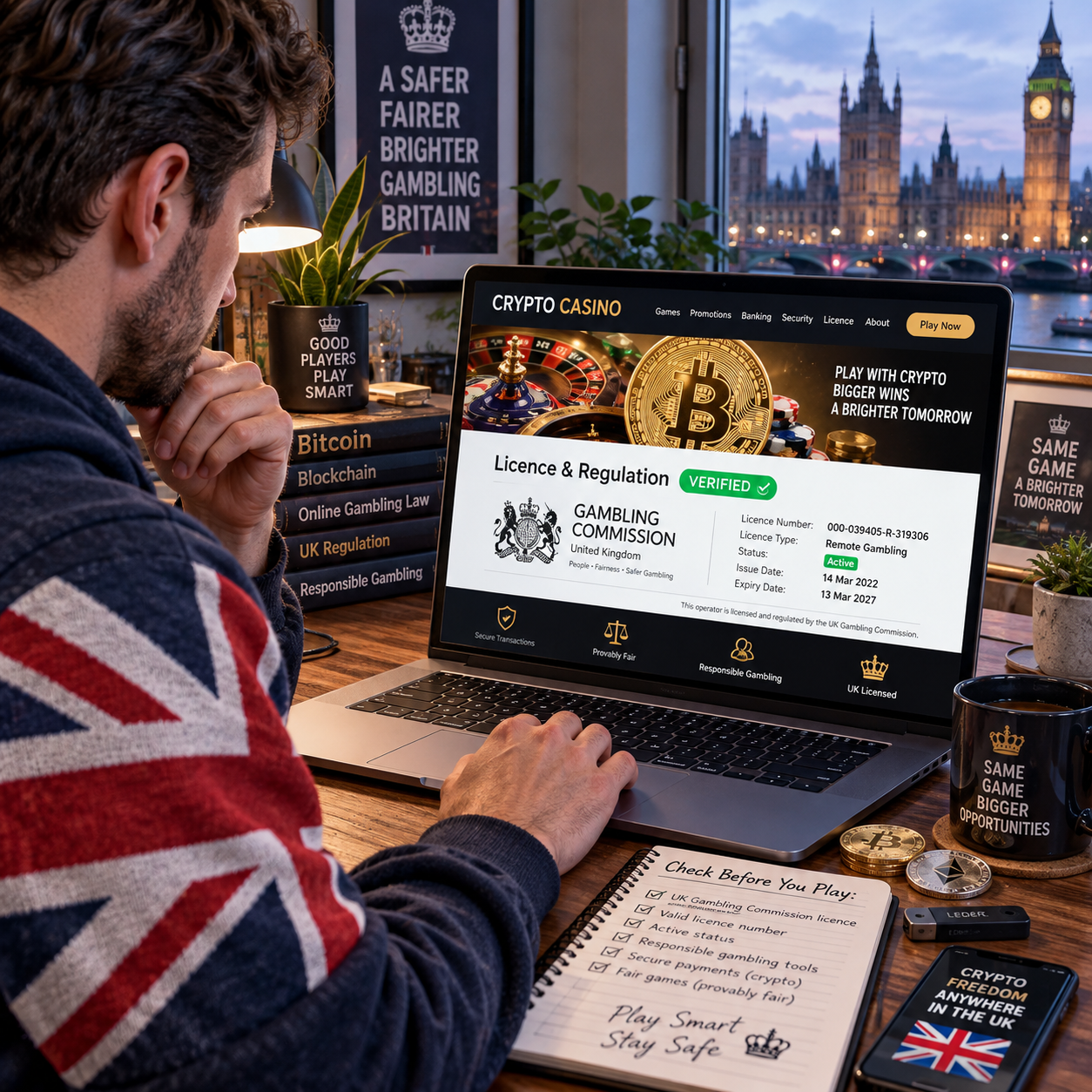
I've spent a fair chunk of the past year picking apart crypto gambling platforms, and one thing keeps hitting me: this sector's grown way faster than most players' ability to tell the solid operators from the risky ones. Crypto casinos are everywhere now, all promising instant payouts and slick blockchain features, but not every one of them deserves your trust — or your wallet address. If you're in the UK and thinking about trying one out in 2026, here's what actually separates a genuinely safe operator from a flashy front.
What Makes a Crypto Casino Legitimate in 2026?
A legitimate crypto casino isn't just a site that takes Bitcoin or Ethereum. It's a platform that pairs blockchain payment rails with real regulatory oversight, transparent game mechanics, and fairness you can actually check. The novelty — instant deposits, near-instant withdrawals, a layer of pseudonymity — makes it tempting to skip the usual due diligence. That's a mistake. Crypto transactions are largely irreversible, so honestly, UK players need to be even more careful here than they would depositing with a standard debit card at a traditional site.
Provably fair tech is one of the genuine innovations crypto casinos brought to the table. Instead of trusting a green padlock and some certification logo, you can technically verify a slot spin or dice roll wasn't tampered with, using cryptographic hashes. But — and this is the part people skip — that tech only matters if the operator is also licensed and accountable. Otherwise 'provably fair' is just another marketing phrase with nothing behind it.
Crypto Casinos vs Traditional Online Casinos
The biggest practical difference is speed. Crypto withdrawals can land in your wallet within minutes. Compare that to the 24–72 hour waits that are pretty standard with card or bank withdrawals. Anonymity levels differ too — some crypto platforms let you through with lighter identity checks upfront, though UK-facing sites still have to verify age and identity eventually, no way around that.
Regulatory oversight is where things get murkier. Plenty of crypto casinos operate offshore under lighter licensing regimes — Curaçao, for example — which means UK consumer protections may not automatically apply unless the operator also holds a UK licence.
UK Licensing Requirements Every Crypto Casino Must Meet
Any casino — crypto or not — that markets to UK residents needs a licence from the UK Gambling Commission (UKGC). Not optional. Doesn't matter how the site frames itself as 'borderless' or 'unregulated by design,' if they're taking bets from UK players, UK law applies, including strict advertising standards and mandatory age verification before any real-money play starts.
A valid UKGC licence number usually sits in the site footer, often next to the words 'Licensed and regulated by the Gambling Commission.' It typically follows a format like a string of digits, sometimes with a hyphen, and it's tied to a specific operating company — not just a brand name splashed across the homepage.
How to Check a Casino's Licence Status
- Scroll to the footer and locate the licence number, usually near logos or terms links.
- Copy that number and search it directly on the UKGC's public register of licensed businesses.
- Confirm the registered company name matches what's listed on the casino's 'About Us' or terms page.
- Be wary of fake badges — some sites simply paste a UKGC logo image without any real registration behind it. The register search is the only way to be certain.
Fair Play Signals: Provably Fair Systems and RNG Certification
Provably fair systems work by generating a 'seed' before a game round starts, then revealing a hash afterward so players can confirm nothing was altered. It's a neat piece of engineering. When it's implemented properly, it gives crypto casino players a level of transparency that traditional RNG systems just don't naturally offer.
That said, independently audited RNG certification from bodies like eCOGRA or iTech Labs still matters — especially for slots and table games that aren't built on blockchain logic. The safest crypto casinos usually run both: provably fair mechanics for the crypto-native games, plus third-party RNG audits for the rest of the catalogue. Before you deposit anything, check the casino's help centre or terms page for audit certificates. Can't find any mention of independent testing? Treat that as a gap worth questioning.

Responsible Gambling Tools and Support Resources
This is the section I think gets skipped over too often in crypto gambling coverage, and it really shouldn't be. A trustworthy operator offers deposit limits, self-exclusion tied into GamStop, reality check pop-ups, and cool-off periods that actually work when you activate them — not features buried three menus deep and quietly disabled the moment nobody's watching.
UK players researching safer gambling practices don't have to rely purely on individual casino claims either. There are independent research initiatives and awareness projects working specifically on responsible gambling standards across Europe, and it's worth spending time with that material before choosing where to play. For instance, resources highlighted through the best crypto casino research space focus on operators that actively integrate these external safeguards rather than treating them as a compliance afterthought — which, in my experience, is a much stronger signal of legitimacy than any bonus offer.
Where to Find Independent Gambling Harm Support
GamCare and BeGambleAware remain the two most established UK-based support organisations, offering free advice, helplines, and self-assessment tools. On top of that, EU-level research projects are increasingly shaping the standards that inform responsible gambling frameworks across licensed operators, crypto-friendly ones included. Checking whether a casino references or partners with any of these groups is a quick way to gauge how seriously they actually take player wellbeing — not just how it looks in the footer.
Red Flags UK Players Should Never Ignore
Certain warning signs should stop you before you even create an account. No visible licence information anywhere on the site is the big one. Others include bonus terms with wagering requirements so high they're basically impossible to clear, withdrawal delays that stretch for days with vague excuses, and a complete absence of KYC checks even at higher withdrawal amounts.
These red flags carry extra weight with crypto casinos specifically, because chargeback protections that exist with card payments simply don't apply once crypto leaves your wallet. If a platform's cutting corners on licensing or fairness, there's often no recourse at all if something goes wrong with your funds.
A Practical Checklist for Choosing a Safe Crypto Casino
- Confirm the UKGC licence number and verify it directly on the official register.
- Look for provably fair mechanics alongside independent RNG certification (eCOGRA, iTech Labs).
- Check for GamStop integration, deposit limits, and functioning self-exclusion tools.
- Read withdrawal terms closely — realistic timeframes and clear KYC processes are good signs.
- Search community forums and review sites for recent player experiences, not just marketing copy.
Conclusion
Crypto casinos can genuinely offer faster payouts and some interesting fairness tech, but none of that matters if the operator isn't properly licensed or upfront about player protection. Taking the time to verify a UKGC licence, check for real fairness audits, and confirm responsible gambling tools are actually active isn't extra effort. It's the baseline. In 2026, with more crypto casinos launching than ever before, that safety-first approach is still the only reliable way UK players can tell the trustworthy platforms apart from the ones just chasing quick deposits.